Why Local Libraries Still Matter in Everyday Community Life
Libraries are sometimes described only as places where people borrow books, but their role within a community is much broader. A local library can provide a quiet place to read, access useful information, complete schoolwork, use digital resources, or simply spend time in a welcoming public environment. For many residents, it is one of the few places where people can stay without being expected to buy something.
Ascension Wakefield shares lifestyle ideas, local observations, and practical information inspired by everyday community life. Looking at how local libraries support learning and community connection reveals why these familiar institutions remain valuable even as more information becomes available online.
A Welcoming Place for Different Generations
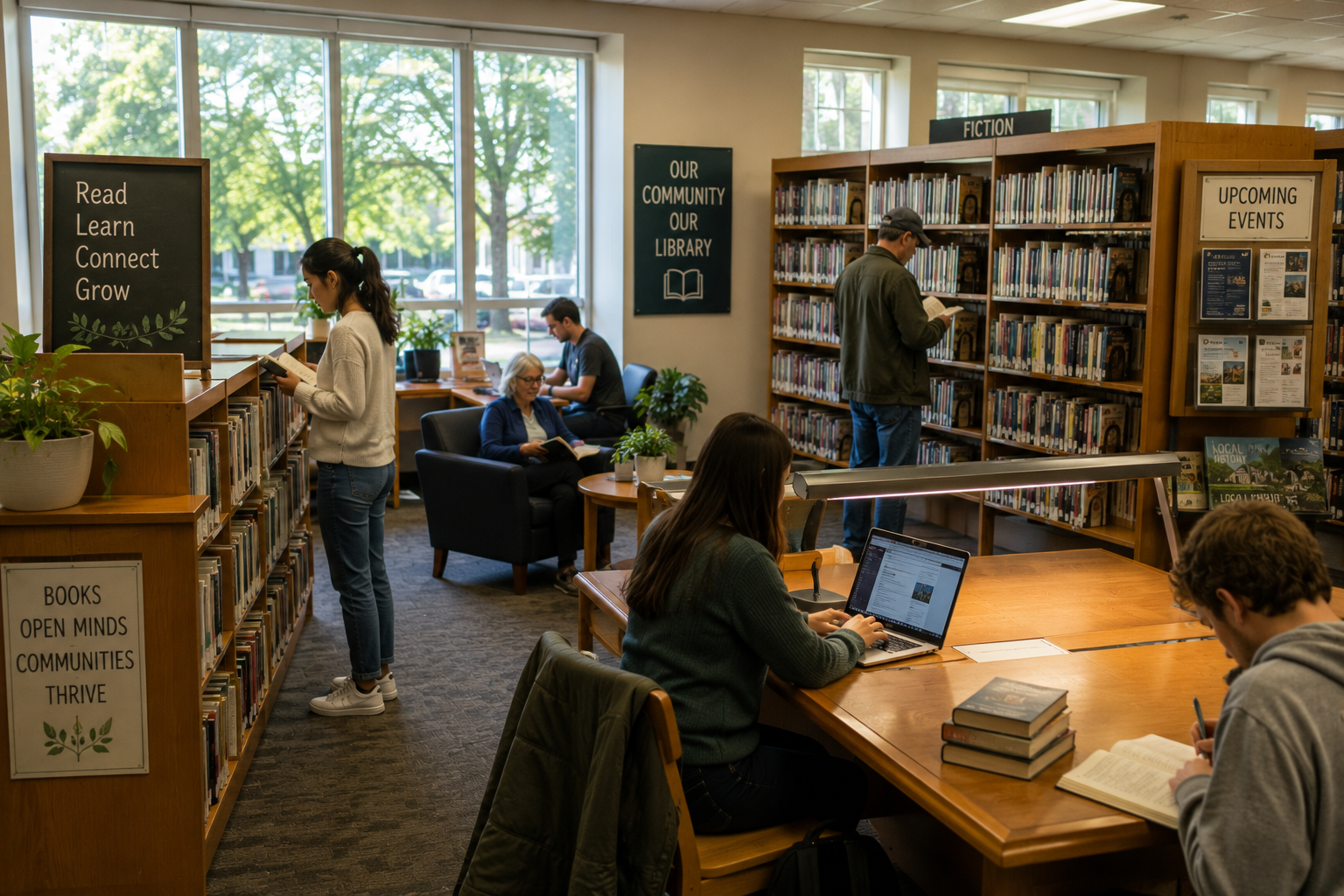
One of the strengths of a local library is its ability to serve people at different stages of life. Young children may visit for story sessions or their first experience choosing a book. Students can use tables, reference materials, and internet access for school projects. Adults may look for practical information, read newspapers, or attend small educational programs. Older residents can enjoy a calm space that remains easy to access and familiar.
These visitors do not always interact directly, but sharing the same environment still creates a sense of community. A library allows different generations to use one local space for their own needs while remaining connected to the broader rhythm of neighborhood life.
Learning Does Not End After School
Education is often associated with classrooms and formal qualifications, but people continue learning throughout their lives. Someone may want to understand personal finance, improve a practical skill, research local history, learn a language, or explore a subject simply because it interests them.
Libraries make this kind of learning easier by collecting information in an organized and accessible way. Staff can often help visitors locate relevant materials, understand catalog systems, or identify trustworthy sources. This guidance can be especially useful when online searches produce too many confusing or unreliable results.
Books Still Offer a Different Reading Experience
Digital reading is convenient, but printed books continue to provide an experience that many people value. Reading a physical book can reduce distractions from notifications, advertisements, and open browser tabs. It also allows readers to slow down and concentrate on one subject for a longer period.
A library gives people the opportunity to explore books without purchasing every title. Readers can try unfamiliar authors, compare different perspectives, and return materials when they are finished. This makes reading more accessible for families, students, and anyone working within a limited budget.
Digital Access Has Become Part of Library Life
Modern libraries are not separated from technology. Many provide computers, internet access, digital catalogs, electronic books, printing facilities, and guidance for people who are less comfortable using online systems. These resources can be important for residents who do not have reliable technology at home.
Someone may need a computer to prepare a résumé, submit an application, access a public service, or complete an assignment. Having a local place where these tasks can be completed helps reduce the gap between people with easy digital access and those without it.
A Quiet Space Can Be a Valuable Resource
Not every home offers a quiet place for reading or focused work. Families may share limited space, students may find it difficult to concentrate, and remote workers may occasionally need an alternative environment. A library provides a setting where quiet behavior is expected and supported.
This atmosphere can help people complete tasks that require patience and attention. Even a short period of focused work in a calm environment may feel more productive than several distracted hours elsewhere. The value of this space is simple, but it can make a meaningful difference in daily life.
Libraries Help Preserve Local Memory
Community history is often stored in small details: old newspapers, photographs, maps, directories, family records, and books written about nearby places. Local libraries may collect or provide access to materials that help residents understand how their area has changed over time.
These resources can be useful for students, researchers, families, and residents who are simply curious about where they live. Learning about local history can create a stronger sense of place by connecting current streets, buildings, and traditions with the people who came before.
Programs Create Natural Opportunities to Meet
Many libraries host activities beyond normal reading and borrowing. These may include book discussions, children’s sessions, craft groups, basic technology support, local history talks, writing workshops, or seasonal events. The programs do not need to be large to be useful.
A small gathering gives residents a reason to enter the same space and participate in a shared interest. Conversation happens more naturally when people are focused on a book, skill, or activity. Over time, regular programs can help familiar faces become genuine local connections.
Reliable Information Matters
People now have access to more information than ever, but finding accurate and understandable material can still be difficult. Search results may combine reliable sources with advertising, outdated advice, and unsupported claims. Libraries can help readers approach information more carefully.
The wider idea of a public library is built around making knowledge and useful resources available to the community. That purpose remains relevant because access alone is not enough. People also need help finding, comparing, and understanding what they read.
An Accessible Place With Few Barriers
Many social and recreational activities involve costs. Cafés expect purchases, entertainment venues require tickets, and some community facilities charge membership fees. Libraries are different because their basic purpose is public access.
This makes them particularly valuable for people looking for a safe and useful place without additional financial pressure. A visitor may read, study, browse, attend a program, or ask for information without needing to turn the visit into a commercial transaction.
Simple Ways to Make Better Use of a Local Library
People sometimes overlook libraries because they assume there is nothing new to discover. A useful first step is to explore the full range of services rather than visiting only the book shelves. Local calendars, notice boards, digital collections, community programs, research assistance, and quiet work areas may all provide unexpected value.
Families can make library visits part of a regular routine. Students can use the space before important assignments. Adults may choose one new subject to explore each month. Even occasional visits can create a healthier relationship with reading and local learning.
A Familiar Institution With an Ongoing Purpose
The way people find information has changed, but the need for accessible knowledge, quiet spaces, and local connection has not disappeared. Libraries continue to meet those needs by adapting their services while preserving the simple experience of entering a place designed for learning.
For Ascension Wakefield, the local library represents the kind of community resource that deserves continued attention. It supports practical needs without demanding much in return. Through books, technology, programs, and shared space, a library can help residents feel more informed, capable, and connected to the place they call home.