Why Shared Gardens Can Bring a Neighborhood Closer
An unused corner of land may not seem important at first. It might sit between buildings, beside a community hall, behind a row of homes, or near a public walkway. With some planning and regular care, however, that same space can become a garden where people grow vegetables, learn practical skills, and spend time with neighbors they might not otherwise meet.
Ascension Wakefield shares practical lifestyle ideas, local observations, and general information inspired by everyday community life. Looking at how community gardens build stronger neighborhood connections reveals that a successful shared garden is about much more than plants. It can also create familiarity, responsibility, and a stronger sense of belonging.
A Shared Purpose Creates Natural Conversation
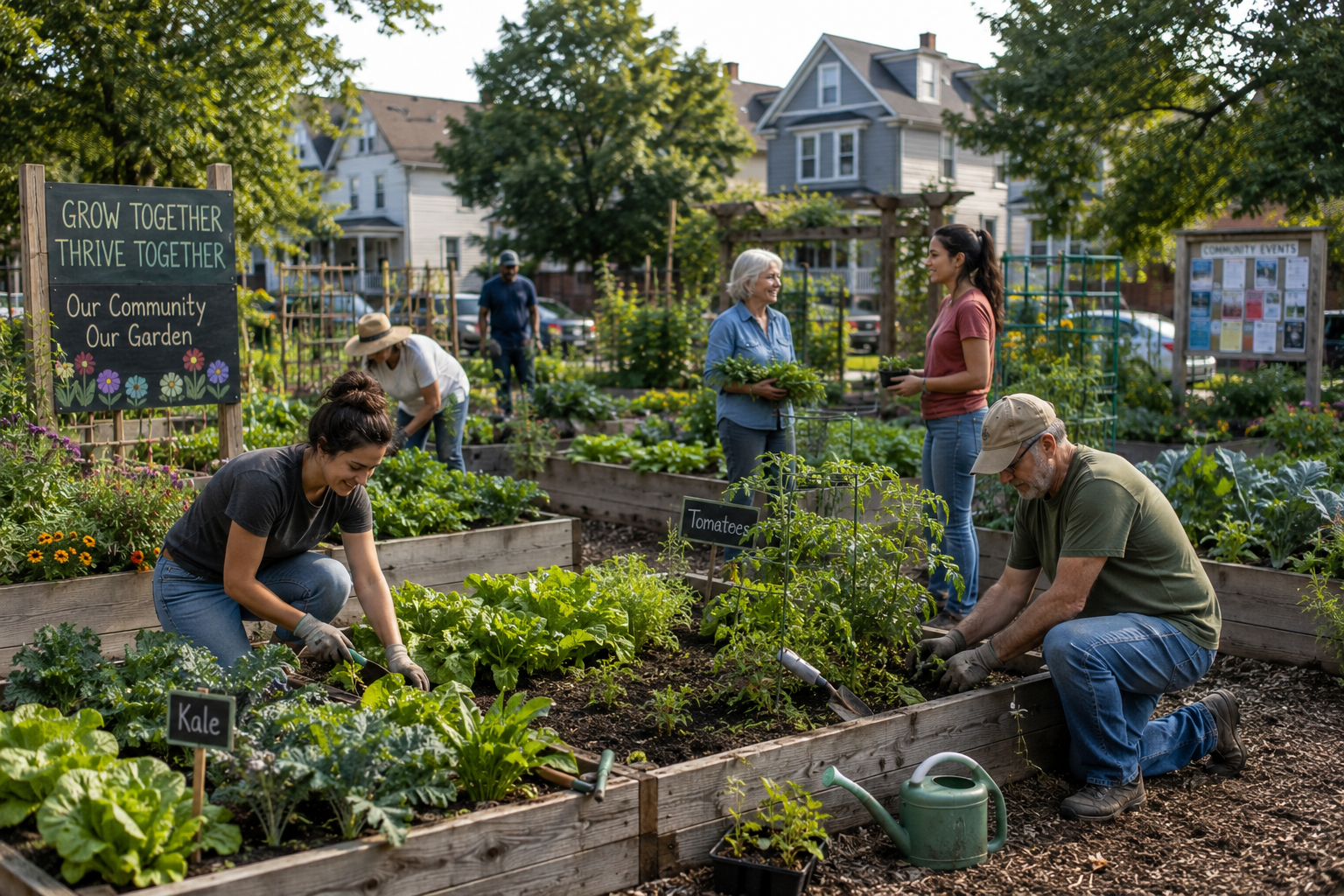
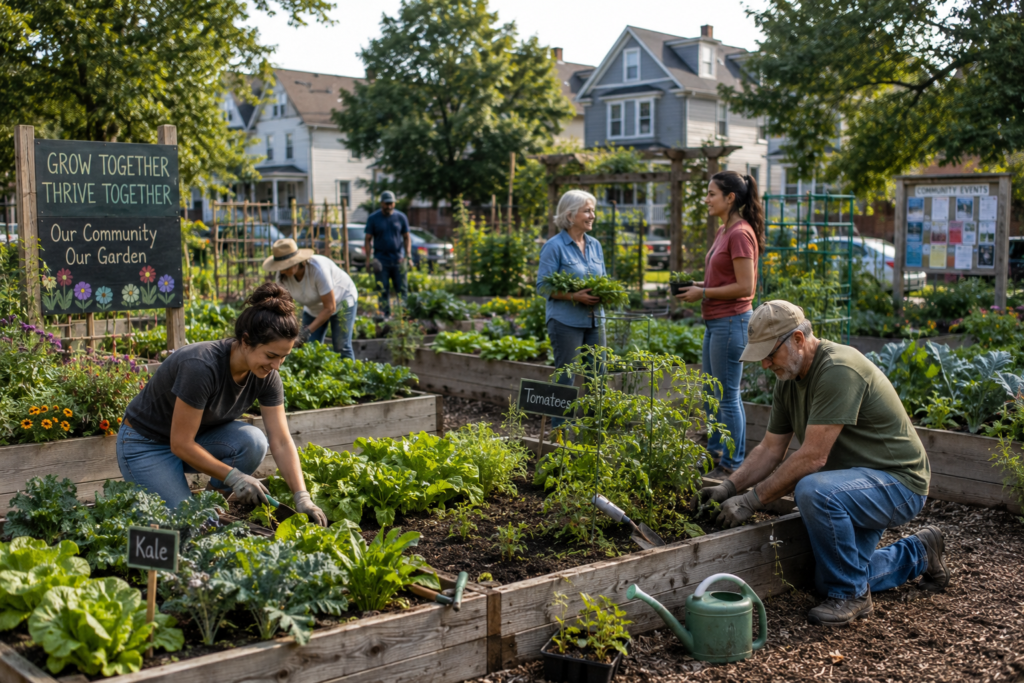
Meeting new people can sometimes feel uncomfortable when there is no clear reason to start a conversation. A shared garden removes much of that pressure. People can talk about what they are planting, ask how often something should be watered, exchange seeds, or discuss how to improve the soil. The activity provides a natural starting point.
These conversations are usually simple, but their value grows over time. Someone who first asks about tomatoes may later share a gardening tool or help carry a bag of compost. Familiarity develops through repeated contact, and a collection of small interactions can gradually make a neighborhood feel friendlier.
Unused Land Becomes a Useful Local Space
Not every neighborhood has large parks or extensive public facilities. Some areas have only small pieces of open land that appear to serve no clear purpose. Turning one of those spaces into a garden can make it more useful without requiring a major development project.
Raised beds, simple paths, a water source, and a small storage area may be enough to begin. The result can provide fresh produce, flowers, shade, and an attractive place for residents to visit. A cared-for garden can also improve the appearance of an area that previously felt neglected.
Gardening Offers Practical Knowledge
Shared gardens create opportunities for people to learn from one another. An experienced gardener may understand when to plant seasonal vegetables, while another person may know how to build a raised bed or make compost. Children can learn where food comes from, and beginners can develop confidence by starting with a small task.
This exchange of practical knowledge is one of the strengths of community gardening. The learning happens through ordinary participation rather than formal lessons. People observe what works, ask questions, make mistakes, and improve together.
Different Generations Can Participate Together
Many community activities are designed for a particular age group, but gardening can be adapted for almost anyone. Children can water plants or collect leaves. Adults may prepare beds, organize supplies, or handle heavier work. Older residents can share knowledge, select seeds, or help with activities that do not require much physical effort.
This flexibility gives different generations a reason to spend time in the same place. The garden becomes a setting where skills and stories can move naturally from one person to another. These exchanges can help reduce the distance that sometimes develops between age groups within the same neighborhood.
A Garden Encourages Shared Responsibility
A community garden needs regular attention. Plants require water, paths need to remain clear, tools must be returned, and shared areas should be kept tidy. Because the work cannot always be completed by one person, participants learn to depend on a simple system of shared responsibility.
That responsibility can influence how people view other local spaces. Someone who has helped maintain a garden may become more aware of litter, damaged facilities, or neglected public areas elsewhere. Caring for one shared place can encourage greater respect for the wider neighborhood.
Small Harvests Can Still Feel Meaningful
A community garden does not need to produce a large amount of food to be worthwhile. A few baskets of herbs, tomatoes, leafy vegetables, or seasonal fruit can still feel meaningful to the people who helped grow them. The experience of planting, waiting, and harvesting often matters as much as the quantity collected.
Produce may be divided among participants, used during a small community meal, or offered to local residents who could benefit from it. Even when the harvest is modest, sharing it creates a visible result from the group’s combined effort.
The Space Can Support More Than Gardening
Once established, a garden may also become a setting for other small activities. Residents might hold a seed exchange, a composting demonstration, a children’s planting day, or a quiet seasonal gathering. Benches or a shaded area can provide a place to rest and talk.
These additional uses help the garden remain active throughout the year. They also allow people who are not interested in growing plants to enjoy the space in other ways. A resident may visit simply to sit outdoors, meet someone, or observe the changes between seasons.
Clear Organization Keeps the Garden Welcoming
Shared spaces work best when expectations are easy to understand. Participants should know which areas are communal, how tools are stored, when watering is needed, and who to contact when a problem appears. A simple notice board or shared schedule may prevent confusion.
The atmosphere should also remain welcoming to beginners. A garden can quickly feel exclusive if a small group controls every decision or expects new members to arrive with advanced knowledge. Clear guidance and patient communication make it easier for more residents to participate.
Starting Small Is Often the Better Approach
A new garden does not need dozens of beds or an expensive design. Beginning with a manageable area allows participants to understand how much time, water, and maintenance will be required. The space can expand later if interest remains strong.
A realistic beginning might include two or three raised beds, several containers, basic tools, and a small group willing to share regular tasks. Starting at this scale reduces pressure and gives the project time to develop a routine that suits the local community.
Growing Plants While Building Local Connection
The most valuable result of a community garden may not be visible in the soil. The vegetables and flowers matter, but so do the conversations, shared responsibilities, practical lessons, and familiar faces that appear around them. These experiences can turn an ordinary plot of land into a place with genuine local meaning.
For Ascension Wakefield, community gardens are a natural example of how lifestyle and local life can support one another. They show that improving a neighborhood does not always require a large project. Sometimes, it begins with a few plants, a shared tool, and people willing to care for the same small space together.